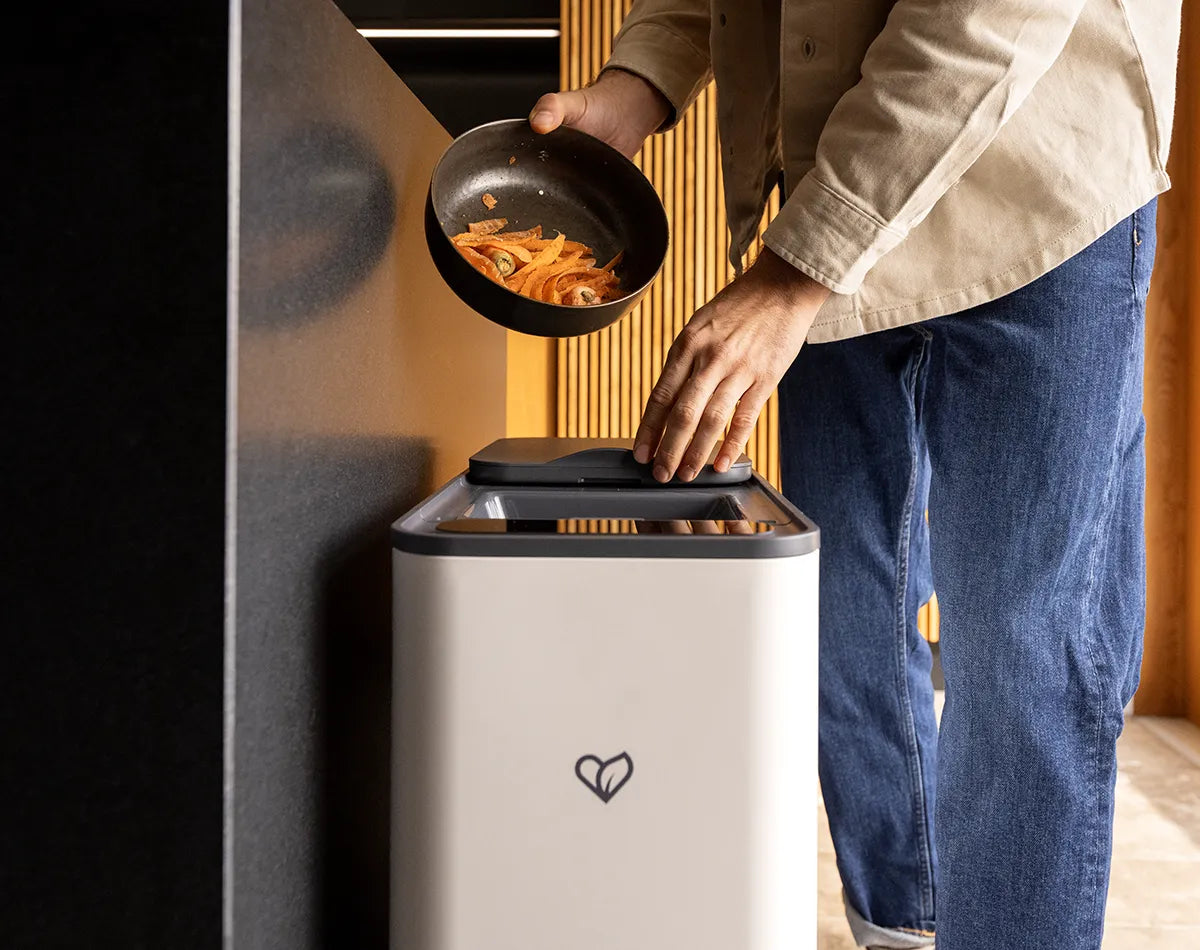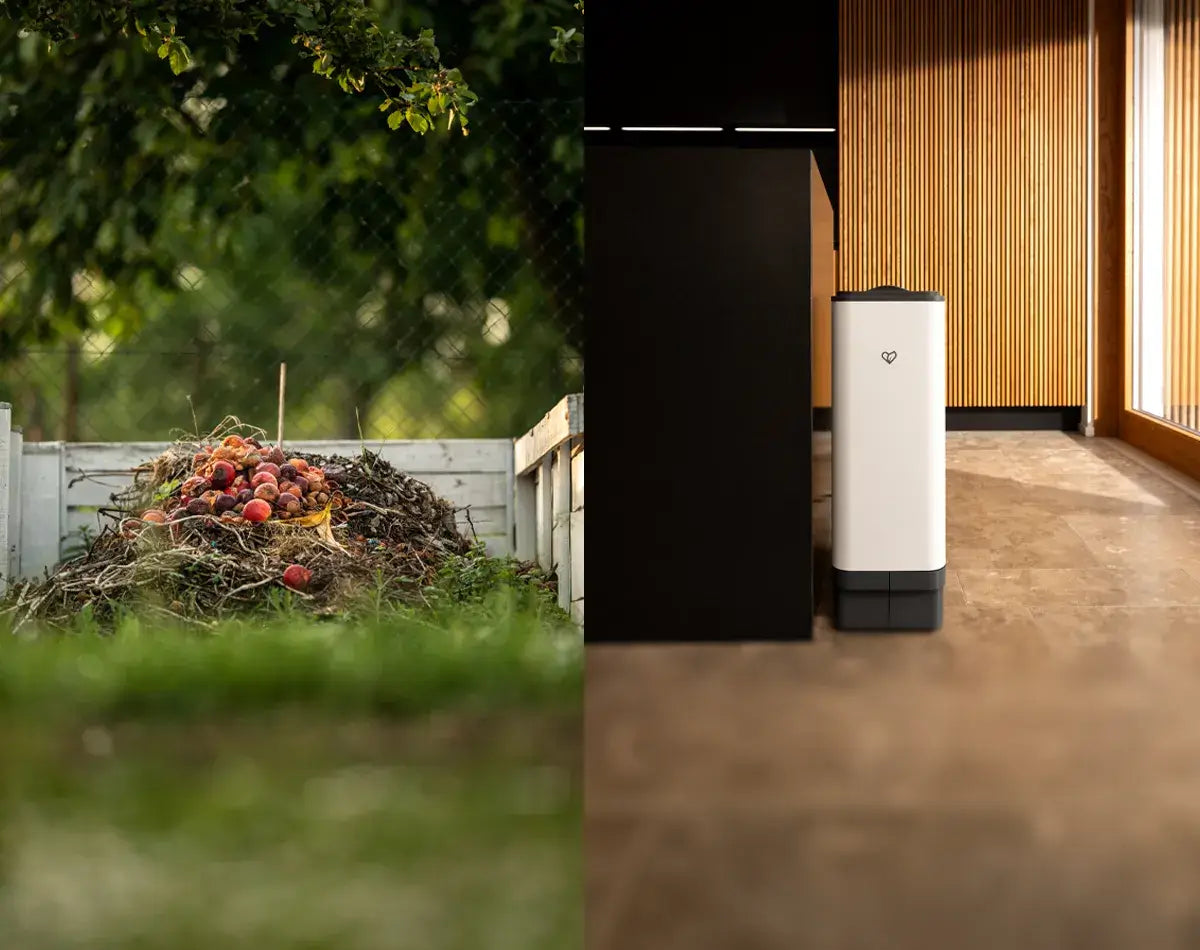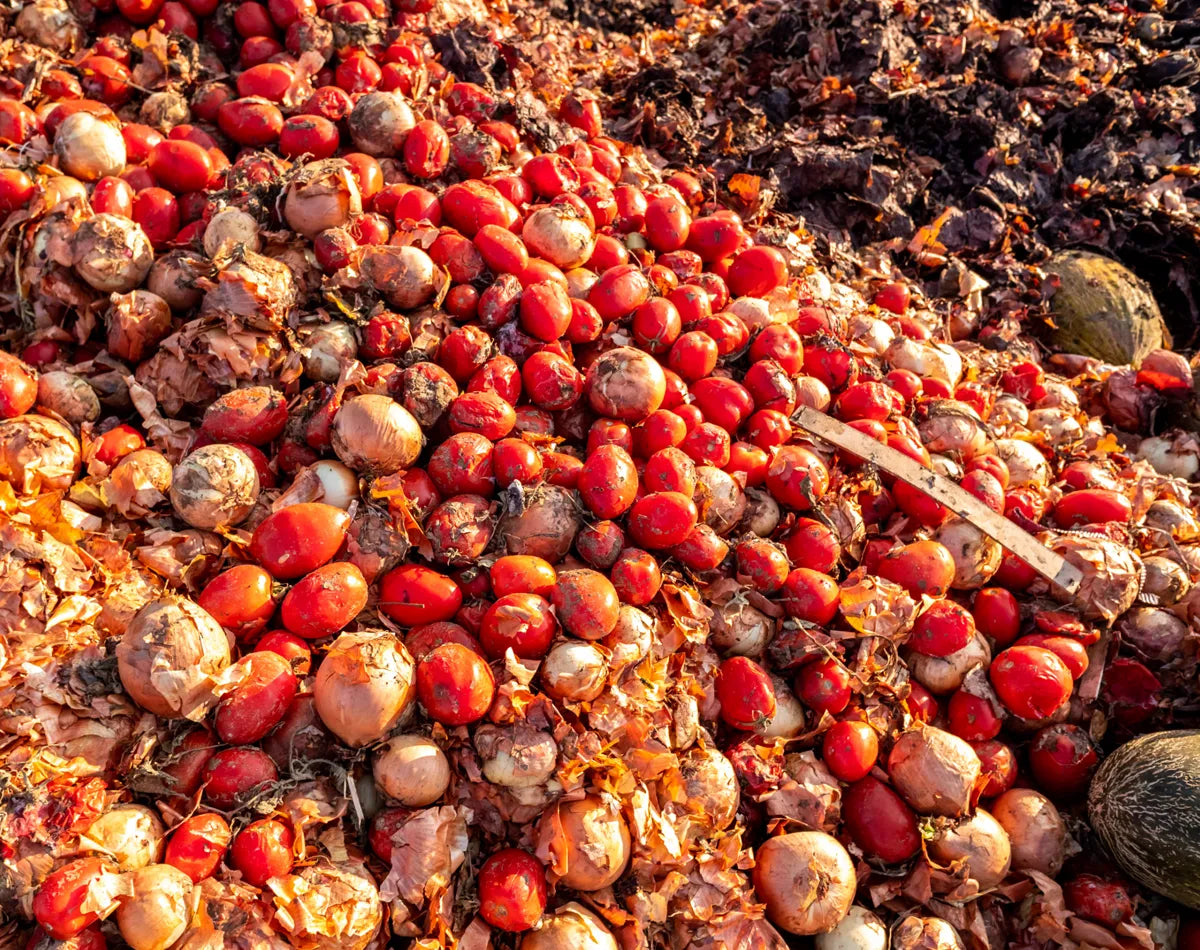


The duration of composting depends on the method, material, and conditions: Classically, in the garden, it often takes months to over a year. With modern technology, however, the process can be shortened to weeks, days, or even hours.
How long does conventional composting take?

Composting is a natural process in which microorganisms convert organic waste into nutrient-rich soil.
However, the duration depends heavily on the method and the conditions:
-
Fast composting: 6–12 weeks (optimal aeration, optimal moisture, high temperatures)
-
Normal composting: 6–12 months
-
Cold composting: 1–2 years (low maintenance, but very slow)
Factors influencing the duration:
-
Temperature: Heat accelerates decomposition
-
Air supply: Regular turning provides oxygen to microorganisms
-
Material mix: Combine nitrogen-rich kitchen waste with carbon-rich materials (leaves, cardboard)
-
Shredding: The smaller the pieces, the faster the decomposition
Methods and their typical composting duration
|
Method |
Duration |
Effort |
Note |
|---|---|---|---|
|
Cold compost |
12–24 months |
low |
Simple, but very slow |
|
Hot or fast compost |
6–12 weeks |
high |
Regular turning necessary |
|
Worm compost |
2–4 months |
medium |
Ideal for apartment & balcony |
|
Fermentation (e.g., bucket method) |
2–3 weeks + soil maturation |
low |
Low odor, space-saving |
|
soilkind |
48 hours |
very low |
Indoor, high-tech process |
Tips to accelerate composting
-
Shred kitchen waste
-
Control moisture (damp, not wet)
-
Turn regularly to introduce oxygen
-
Balanced ratio of "green material" (nitrogen-rich) and "brown material" (carbon-rich)
-
Mix in compost starters or finished compost
How long does composting take with soilkind?

You are wondering: "How can composting work in just two days?" – The answer lies in our combination of nature and high-tech.
Step 1: Shredding & drying kitchen waste
-
Fillable at any time
-
Robust grinder shreds even small bones or nut shells
-
Drying stops the decomposition process, prevents odor, and enables low-odor intermediate storage
Step 2: Remineralizing & Composting
-
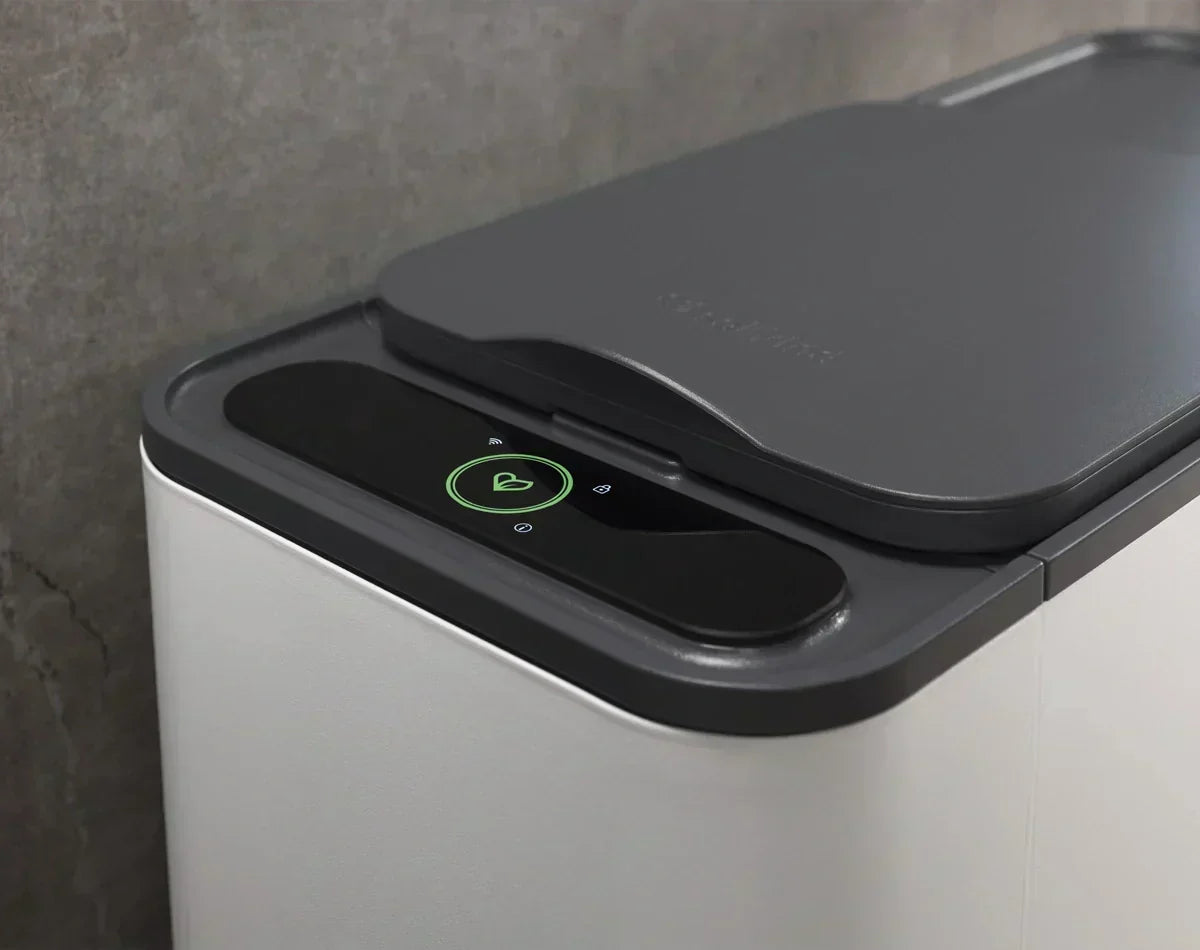
Intelligent sensors optimally control temperature, pH value, moisture, oxygen, and surface area
-
Microorganisms work under ideal conditions and break down sugar, starch, proteins, and fats extremely quickly
Step 3: Removing fresh compost
-
After 48 hours, high-quality fresh compost is created
-
Contains humic substances and minerals
-
Mixing ratio for plants: 1 part soilkind compost + 10 parts peat-free potting soil
Why soilkind is faster than any other method
Classical composting depends on weather, location, and material mix – soilkind, however, creates a perfectly controlled method.
-
Constant heat and moisture
-
No weather dependency
-
Completely integrated shredding, drying, and composting process
Result: While the answer to "How long does composting take?" is often "at least 6 months," soilkind delivers ready-to-use compost in just 48 hours.
Composting does not have to take a long time
Whether in the garden, on the balcony, or in the kitchen – compost is a soil fertilizer that usually takes a lot of time.
With the right method, however, you can significantly shorten the duration.
-
Classic: Months to years
-
With soilkind: 48 hours
This is how you can quickly and easily turn your organic waste into fresh compost.
FAQ – Composting: Frequently asked questions
1. What happens if composting takes too long?
If the composting process takes too long, it is often due to an imbalance between "green material" (nitrogen-rich, e.g., kitchen waste) and "brown material" (carbon-rich, e.g., leaves, cardboard). Too little oxygen or moisture can also slow down decomposition. The material then tends to rot instead of compost and can smell unpleasant.
2. Which material decomposes slowest during composting?
Thick branches, bones, nut shells, or very hard plant parts decompose very slowly. It is best to shred them beforehand or let them rot separately to speed up the process.
3. Can you compost in winter?
Yes, however, the process slows down significantly because microorganisms are less active at low temperatures. In closed or insulated systems – such as electrical composters – the process also runs quickly in winter.
4. Which kitchen waste is not suitable for the compost?
Cooked leftovers with high fat content, meat and fish scraps, and dairy products easily attract vermin and can lead to odor problems. Heavily salted or seasoned foods are also not suitable for classic garden compost.
5. How do I know that compost is finished?
Finished compost smells pleasantly earthy, has a uniform, crumbly structure, and no longer contains recognizable waste. The color is dark brown to black – a sign of high humus quality.