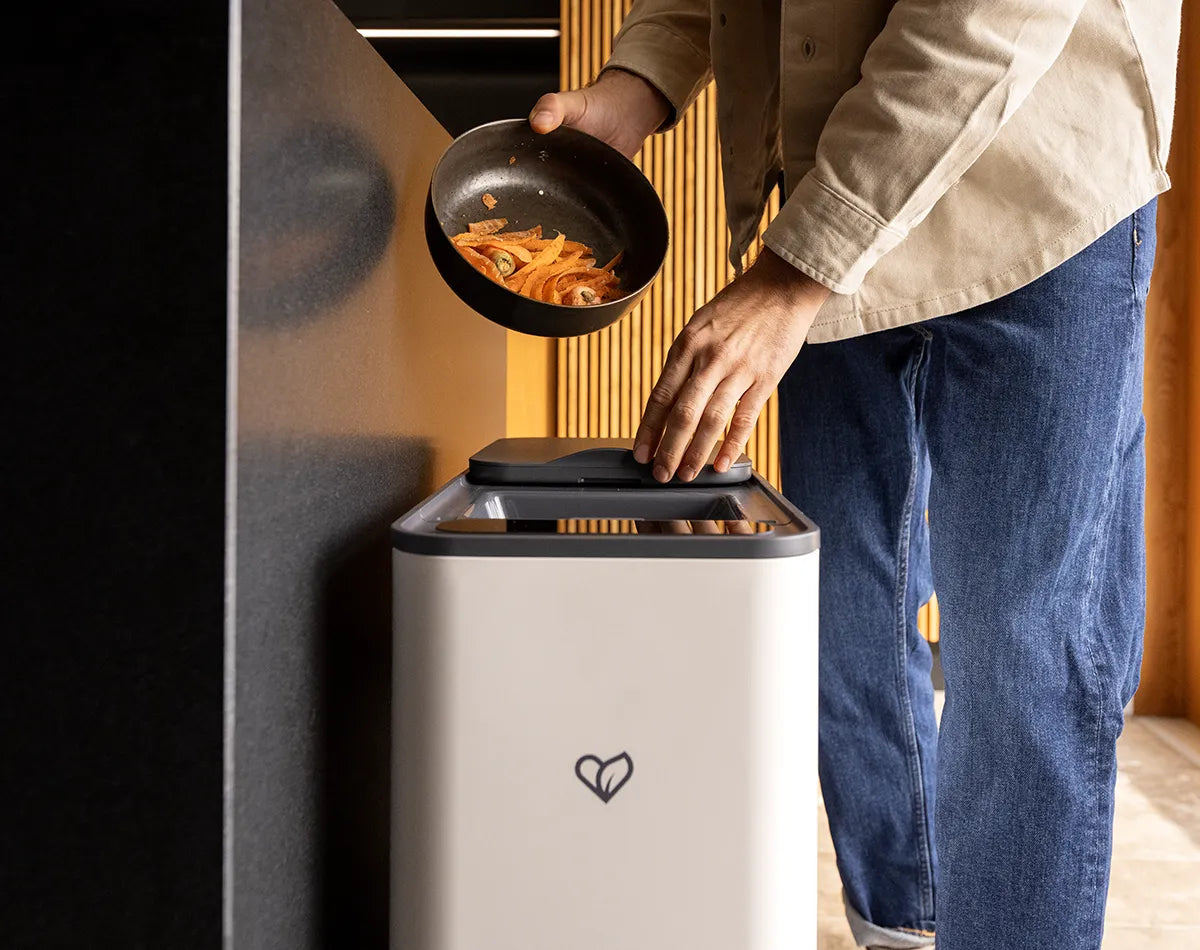


Open the flap, put in the organic waste, and after three hours you have fresh compost? Unfortunately, it's not quite that simple. Today we'll explain why it takes a little more to produce healthy and nutrient-rich compost for your plants at home.
There are currently many devices that promise you fresh compost in no time. Please be critical and question the process. Composting is a science in itself. Nature actually needs several weeks for it. Fresh compost is a masterpiece of nature – because everything in it is perfectly balanced: moisture, temperature, pH value, and nutrients.
To our knowledge, such a process is not possible within four or five hours. Moisture is one of the most important factors for composting – however, it is often completely removed when organic waste is heated briefly and quickly, preventing the composting process from even beginning. The 48 hours required by soilkind is currently the shortest timeframe for producing genuine, fresh compost without the addition of any microorganisms.
What exactly is composting?
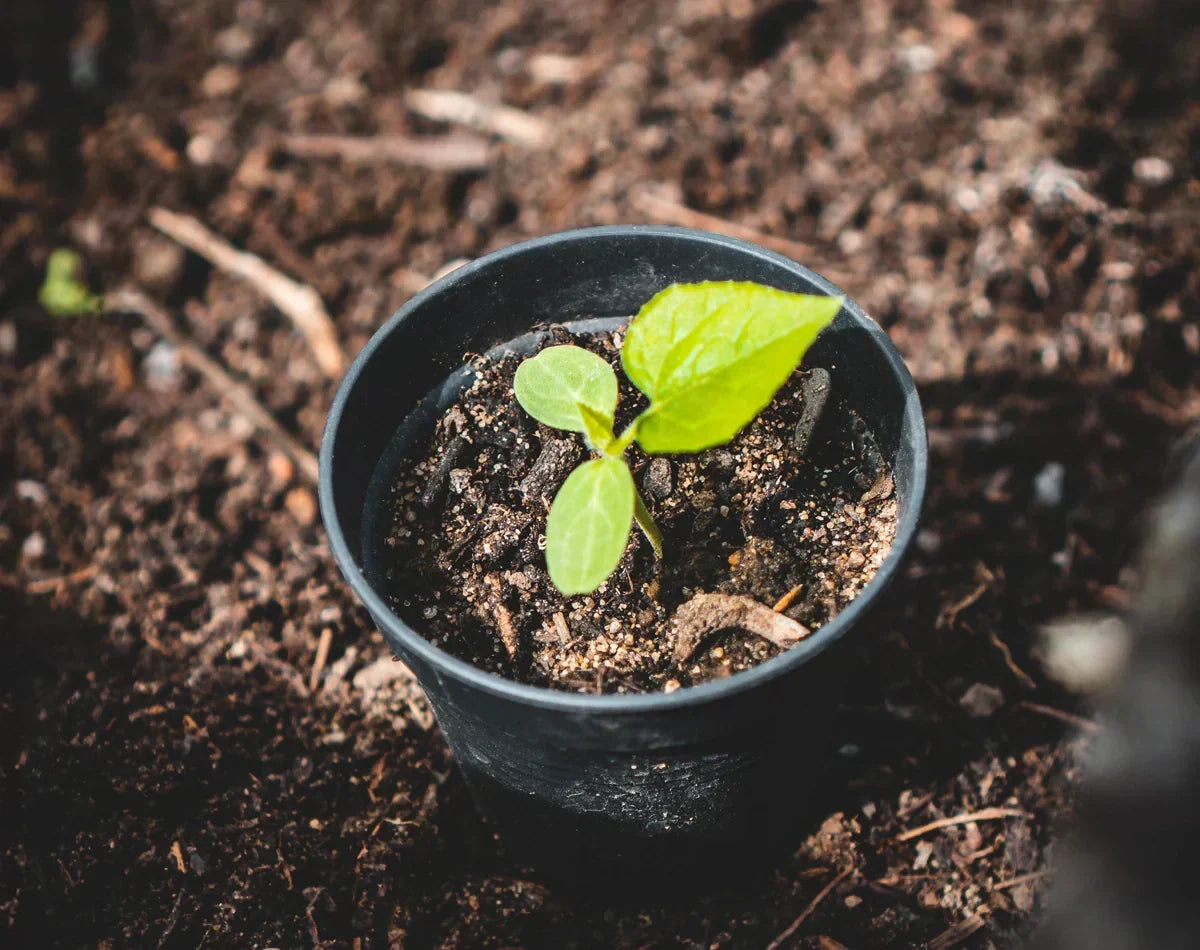
Compost is the end product of a decomposition process in which organic matter is processed by microorganisms and transformed into nutrient-rich humus. This process occurs constantly in nature – in meadows, in forests, and in fields.
Microorganisms found on all foods break down organic matter into its basic building blocks and convert them into mineralized forms essential for plant growth. This process typically takes several weeks to months and occurs in various stages: from the conversion of organic material into nutrient-rich compounds to complete mineralization and the formation of stable substances that promote plant growth.

Making your own compost: Step-by-step instructions
Want to make your own compost and turn your kitchen waste into valuable fertilizer? Here's how:
Step 1: Choose a location
Choose an airy, semi-shaded location with consistent humidity, e.g., balcony, garden or basement.
Step 2: Select container
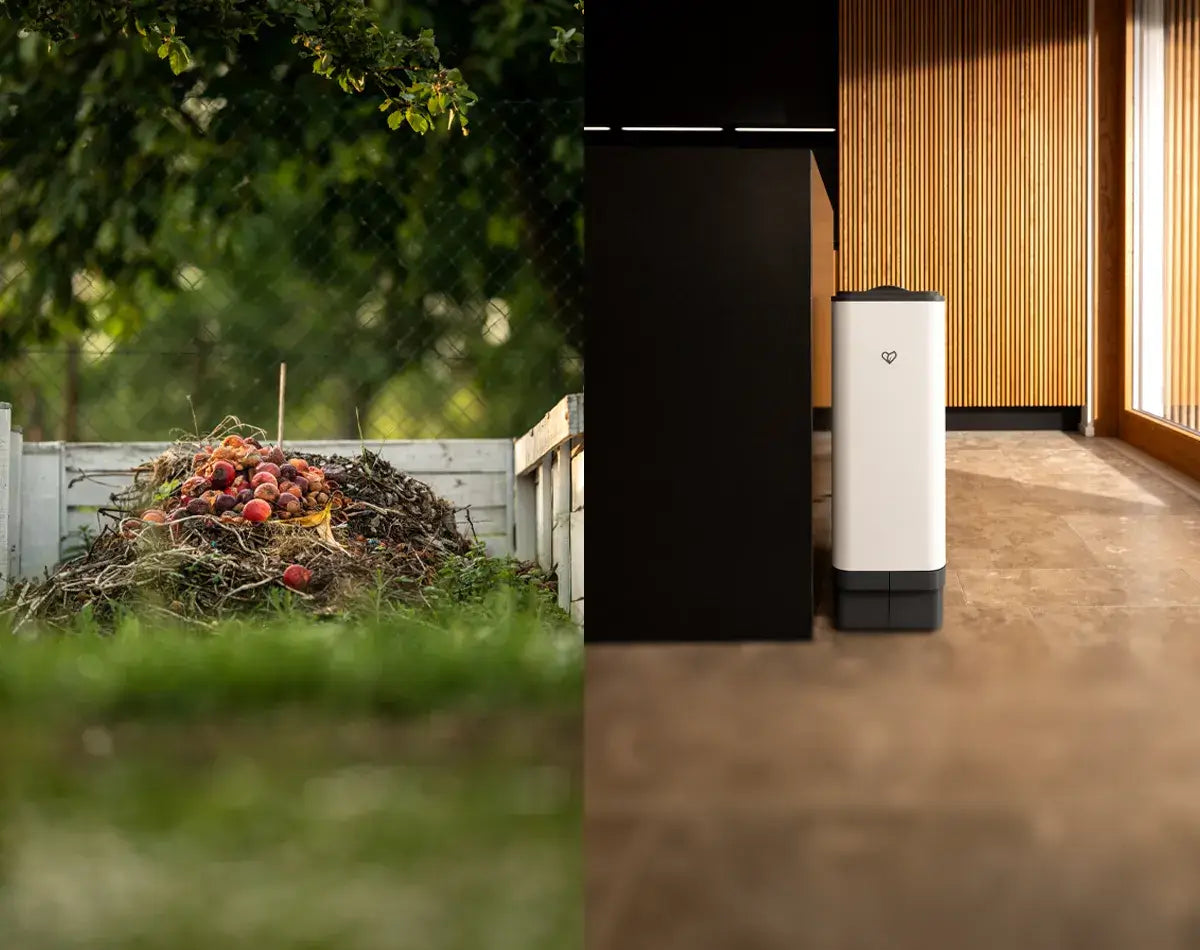
Whether it's an open compost heap, compost bin or closed kitchen composter – ventilation and ease of use are important.
Step 3: What can go in?
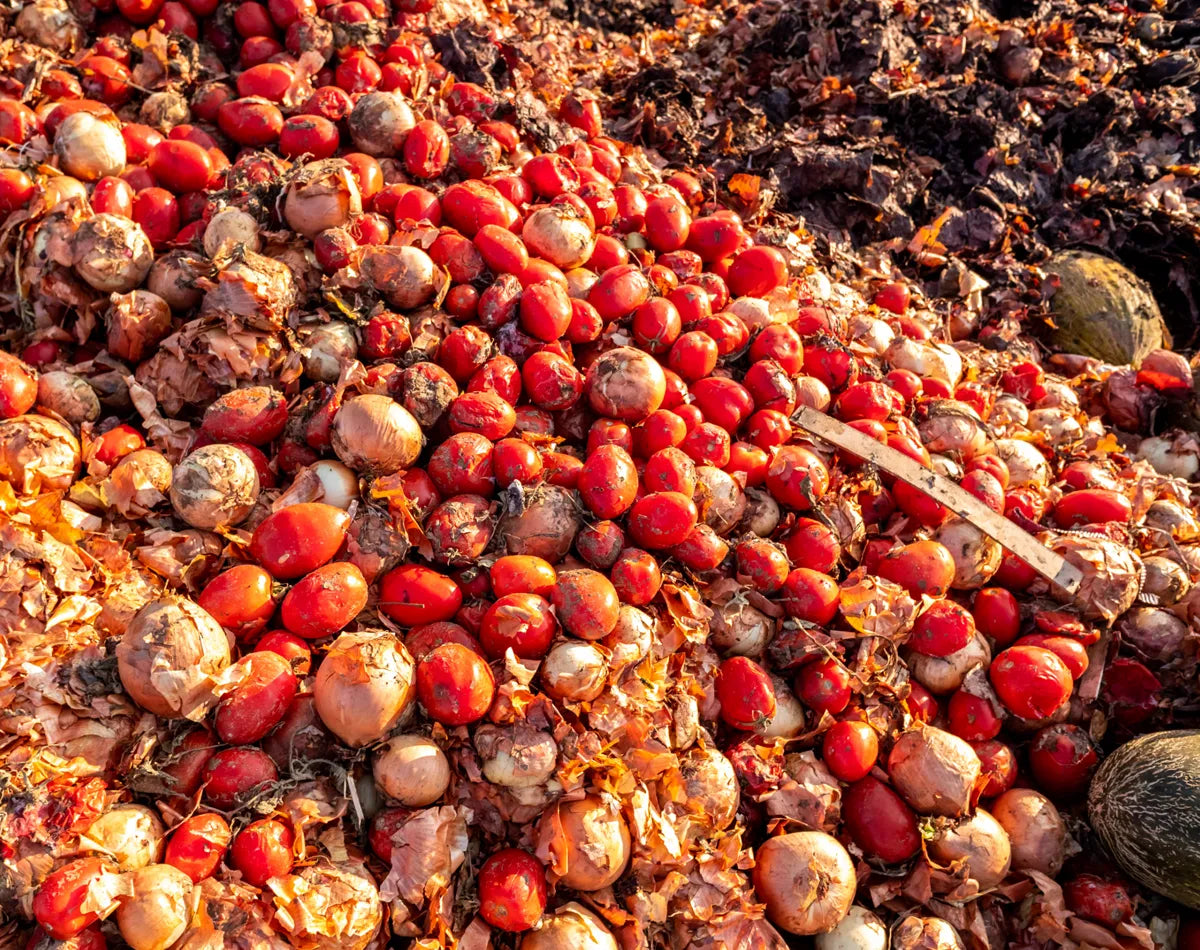
✔️ Fruit and vegetable peels, coffee grounds, eggshells, tea bags, garden waste
❌ No meat, no dairy products, no cooked leftovers
Step 4: Mixing & Care
Keep the compost moist (like a sponge), mix green leftovers (moist, nitrogen-rich) with brown leftovers (dry, carbon-rich) and turn it regularly for aeration.
Step 5: Be patient
It usually takes 8 weeks to 12 months in the garden until the compost is ready.
Is there a faster way?
Yes, but only if the biological process is supported, instead of simply drying or shredding waste. True compost only forms when microorganisms convert organic waste into mineralized, nutrient-rich soil.
soilkind: Fresh compost in 48 hours – hygienic and nutrient-rich
At soilkind, we have combined the composting process with innovative technology – supported by the renowned Fraunhofer Institute. This allows the composting process to take only 48 hours instead of several weeks.
Intelligent controls and precise sensors perfectly regulate humidity, temperature, and ventilation, allowing microorganisms to thrive. Furthermore, the compost is sanitized during the process, ensuring it remains free of harmful germs and safe for your plants.
So if you come across kitchen composters that promise "compost" within a few hours, read up on it and ask questions: How does their system work? Is moisture retained? Are microorganisms involved, or does it just dry out?
Because we think it's fantastic when more kitchen waste is composted. Make compost, not waste.